




The right height

Goal:

Summary

How a proper use of height in relation to our players affects the message we convey

Organization
With my previous articles about effective communication my hope is that every coach is becoming increasingly aware of their communication mode and, if necessary, they are working on theirselves and on their approach to players.
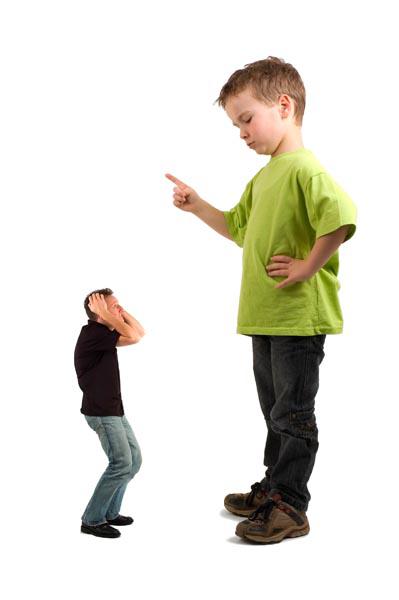
In this article I want to emphasize how a proper use of the height of the body in relation to our player affects the messages that arrive to them.
 
When we talk to our players, or with a single athlete, we can have different goals and be in different situations: Am I explaining them an exercise? Am I informing the team about some incorrect and dysfunctional group dynamics? Am I talking to one of my players who is in time of need? Am I talking to a group of children who are at their first practice? Am I encouraging my players before a match?

There is a wide range of cases, and it is clear that we can’t analyze them all here. Let’s try, however, to understand how a conscious and proper management of our physical height already conveys very important messages that can be in accordance or contradict what we are communicating verbally.
Position of “greater height” in relation to my players: I can do it by having my team sit on the floor while I keep standing, or I can have my body in an upright and frontal position, with open shoulders and arms folded or hands on hips. This kind of choice could be right if my goal is to:
  • Keep an authoritative leadership;
  • Stress the relation of complementarity between me and my players;
  • Underline and show confidence in what I’m expressing;
  • Reinforce through non verbal acts my disappointment for misbehaviors/broken rules etc.
Position of “equal height” between me and my players: it means to place myself on the same level, for example by sitting next to one of them on the bench, on the floor with the team or by talking to players in a circle (see the article on equidistance), without showing off safety and authority through other non verbal channels (keep the posture “soft” and asymmetrical). I opt for such a solution if my goal is to:
  • Keep a more democratic leadership;
  • Create sympathy;
  • Create emotional closeness;
  • Be in a condition of authentic listening;
  • Create a relation of greater symmetry for that specific moment.

If I don’t use this communicative element properly the risk is that I convey messages diametrically opposed to my intentions. For example, if in difficult moments, instead of being on the same level of my player I stand upright while he is sitting depressed, he could read our non verbal as a lack of listening and understanding, or even expect a reprimand.

Therefore, the more the communication takes place on the emotional/personal level, the more there must be a closeness that can be expressed also in being at the same physical level of the athlete. Instead, when communication moves to a technical/strategic level or to the management of group dynamics (respect of the rules, roles, expression of authority, etc.) the coach puts theirselves in a complementary relationship to express “superiority” in terms of greater technical and relational skills and experience.

 

Category:
Topic:
YouCoachApp Digital Assistant for Coaches
Get started today!
Flexible plans, designed to elevate every aspect of your training journey.