







At school with... Carolina Morace

Goal:

Summary

The analysis of modern soccer as a prerequisite for a training method: considerations and working proposal to create a “thinking” player

Organization


Soccer changing very rapidly and therefore as coaches we have to adapt quickly to the new requirements by trying to give our players proper information so that they can be ready to face any possible situation on the field.

This column gives us the chance to exchange views on current needs and to propose cause for reflection to better measure our always more difficult job as coaches; we will try to reflect on some principles so that we can gather practical proposals that are consequence of a logical and structured reasoning knowing that it is not individual exercises that can make a difference but their interelationship inside a work plan and the coach’s ability to introduce them inside a training session.
 
In this historical period the very first consideration we can make with regards to game trends is about the restart with hands by the goalkeeper, which has led many coaches to perform an offensive press. Inside the youth sectors this concept is a little bit too inflamed. Even if it is true that a restart with the feet may cause a 50% chance to regain possession the choice of throwing the ball with the hands or passing with the feet must likewise be part of the goalkeeper technical and tactical knowledge. The goalkeeper has to understand whether it is better to throw-in with their hands or use their feet.
Another trend is preventive man marking, placing the defender in a little different way in relation to the goal, the ball and the opponent. I think that we need specific exercises to perform this last trend, and moreover we need to impart to defenders a common way to read situations. 
For this reason, without talking about every role, I believe that the modern player must have a great speed in anticipating, a good responsiveness and processing,  obviously in addition to  good technique and speed.
To obtain these targets, the training session must be created considering the two different game phases: specific exercises on specific situations, explained clearly and simply, are very useful. However, any kind of exercise must encourage the players into “thinking”. The coach cannot organize and preview every situation of the match, but I think that a good coach must give more than one solution to his player, so he can be able to choose the most efficient solution as quickly as possible. The coach must always instill passion and expertises to his players, after comprehending when it’s time to cut them some slack. Being honest with players, especially with the ones who sit on the bench, is the essential prerequisite to create a calm and stress-free environment; without giving the necessary explanations (not to everybody) there’s a danger of losing the player for what concerns motivation. 
 
In choosing the exercises, the main split is on ball possession and playing without the ball, starting from the individual tactics, offensive and defensive, working then on the collective tactics for position. The player has always to know what we are training and who we are training. Using collaborators help us to arrange specific movements for every position. Of course we must not overlook positive and negative transitions, using the goalkeeper too and letting him be free to decide how to start the action according to the situation.
 
The player is the result of four elements combined together:
  • the mental point of view;
  • the technical point of view; 
  • the tactical point of view;
  • the athletic point of view.

These aspects must never be ignored by the coach, according to the requirement. I strongly believe on specific physical conditioning, but also on the reasonable recovery and workload. Nutrition is furthermore an important aspect as much as imparting motivation. I believe on the quality of work, more than the amount.

Finally, I think there are no secrets to be efficient, just the balance. The variety of exercises is important to maintain the focus of players, and the coach has to be good in identifying the right moment to change exercise or introducing variations. So we need to be organized on the training field, but also have the capability to change and adapt to the situations, always encouraging our players.


Practices proposed
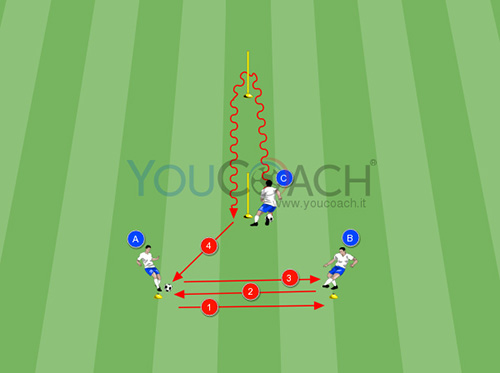
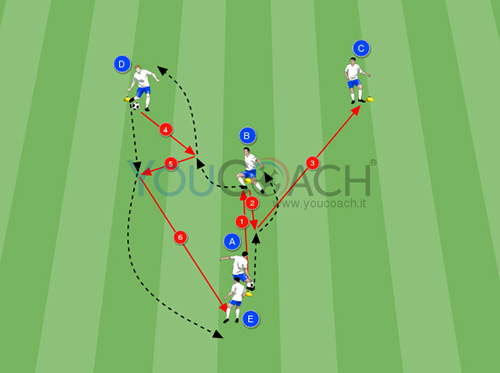
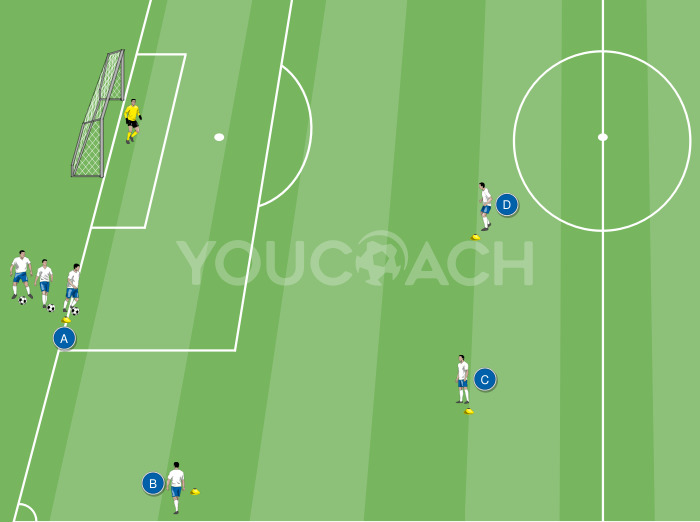
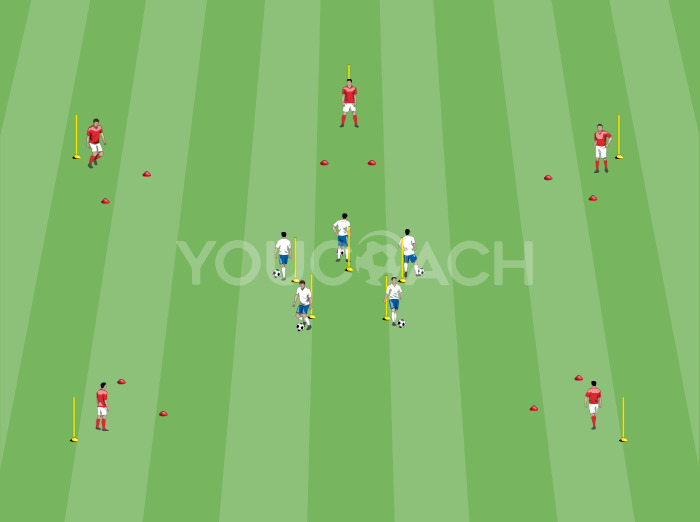
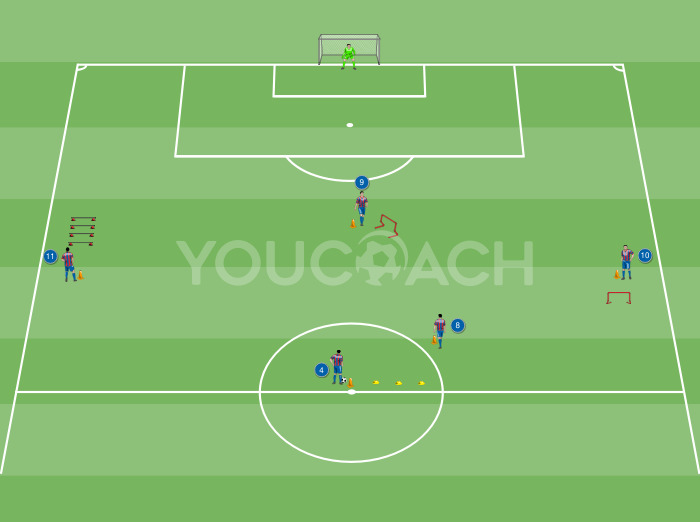
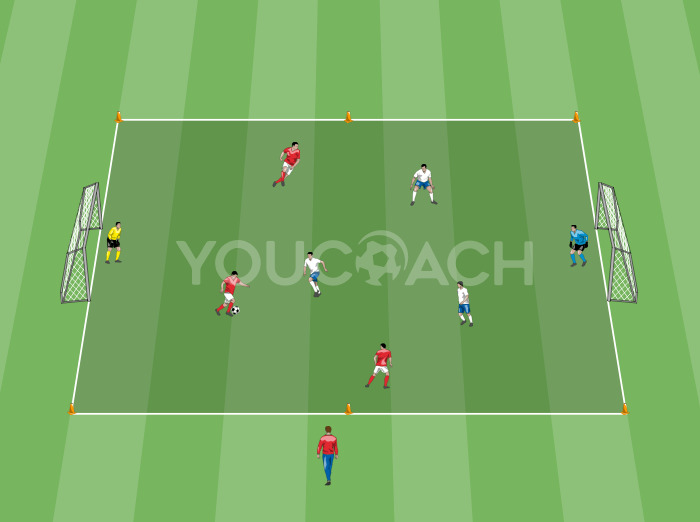
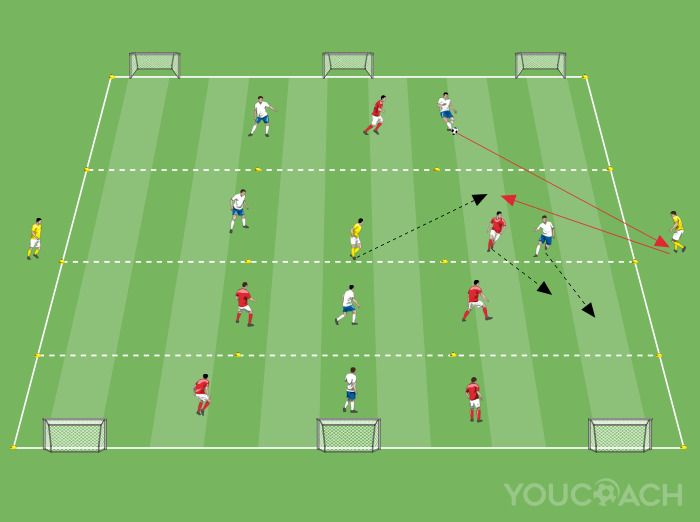
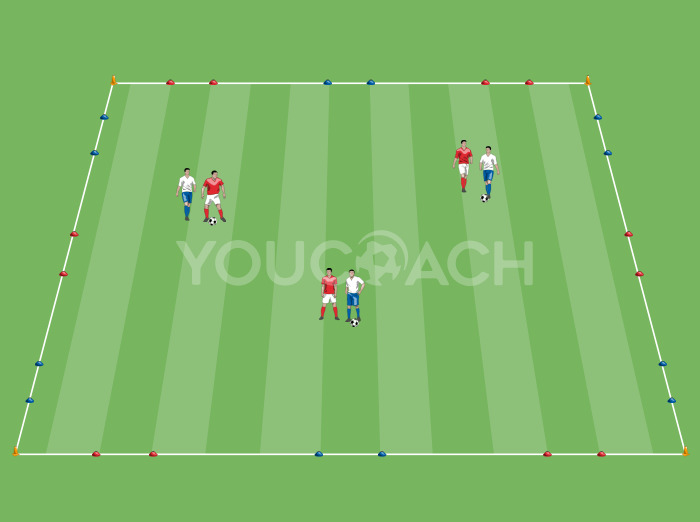
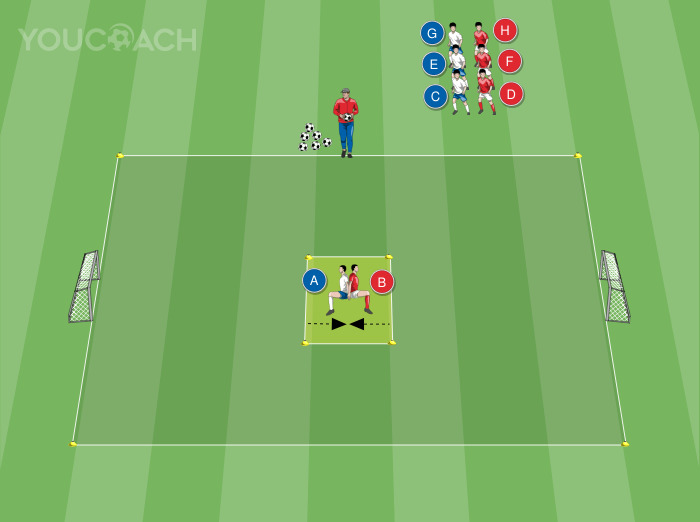
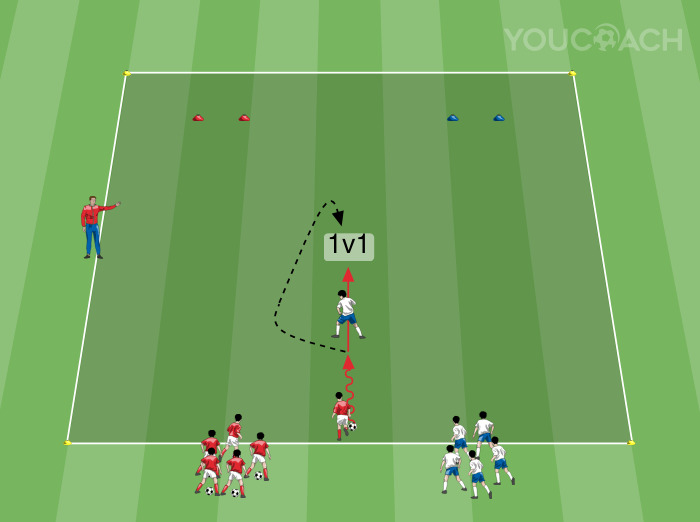
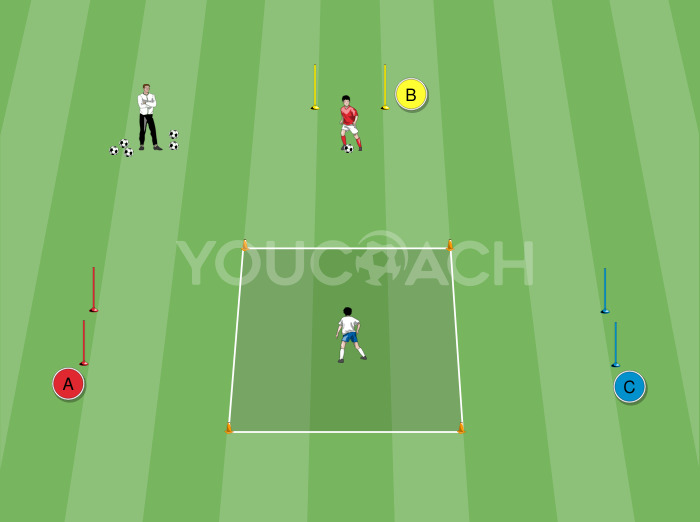
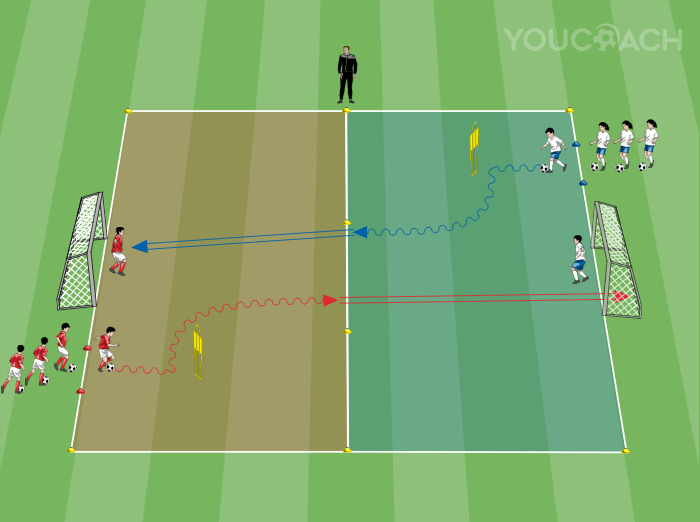
Carrying and passing to stimulate the peripheral vision


Technical practice proposal to improve the reacting timings and peripheral vision

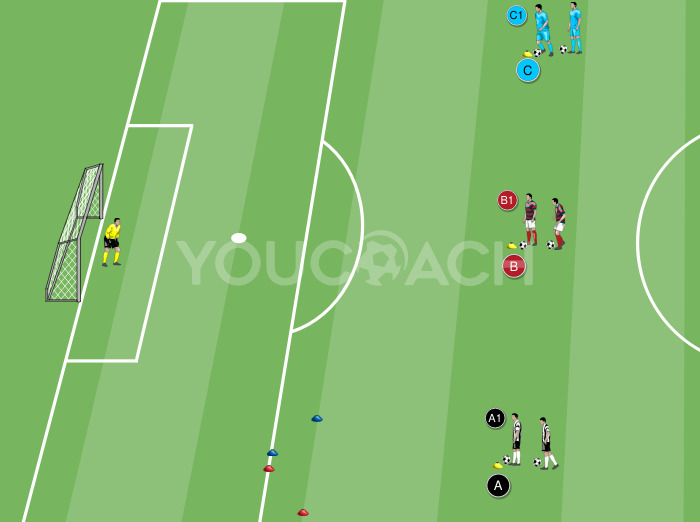
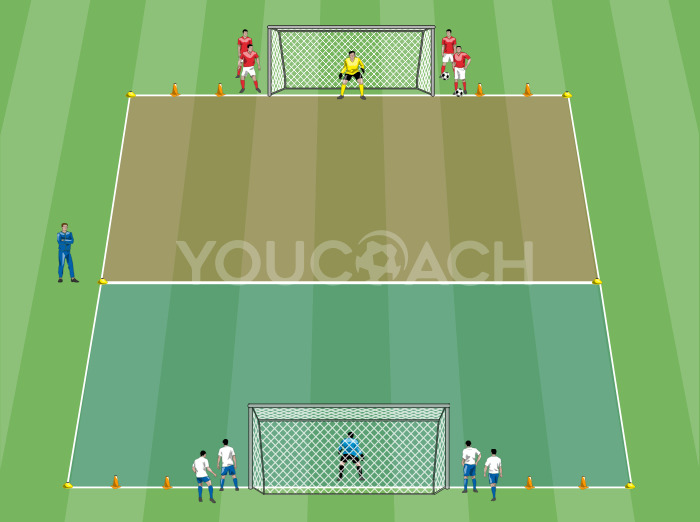
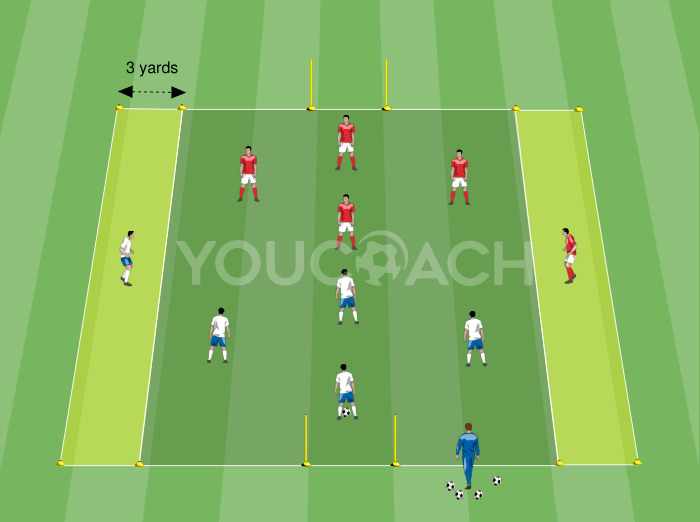
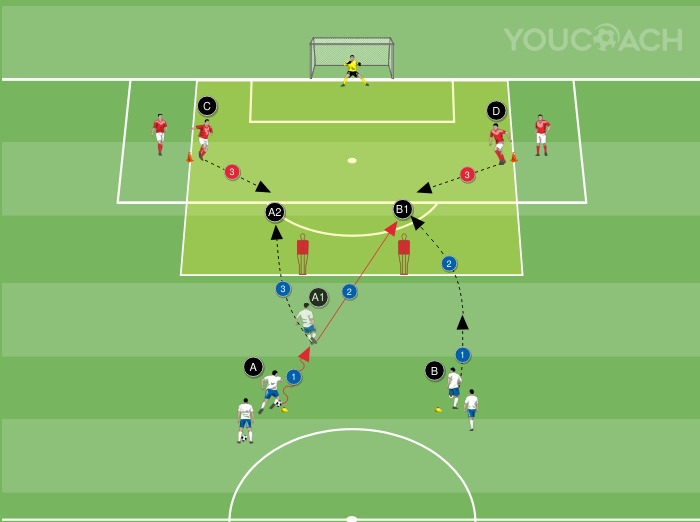
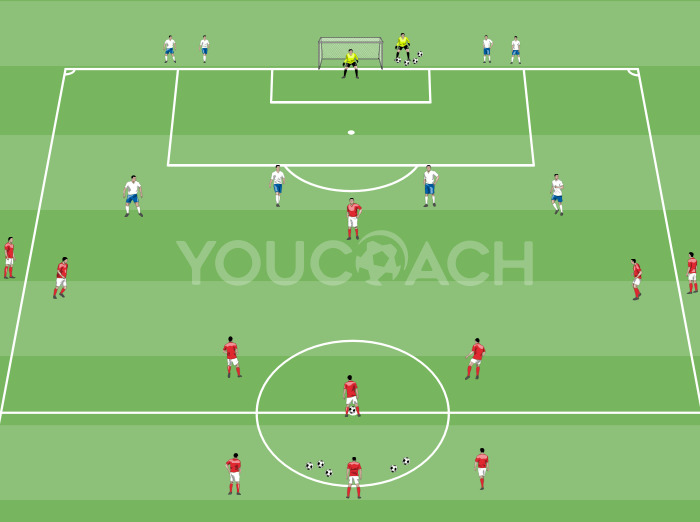
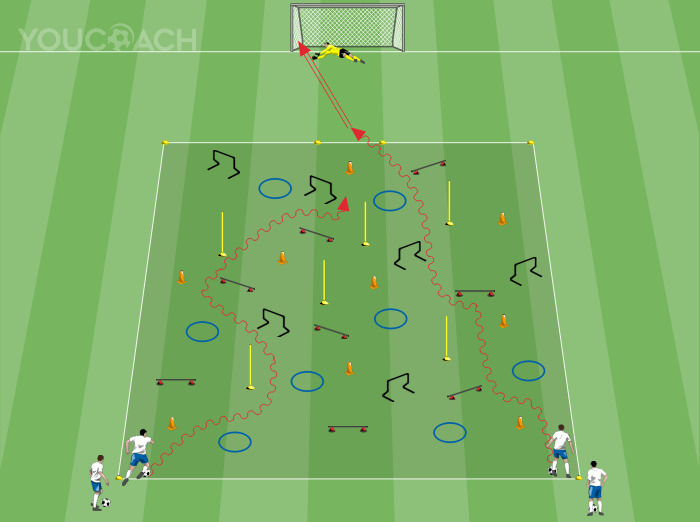
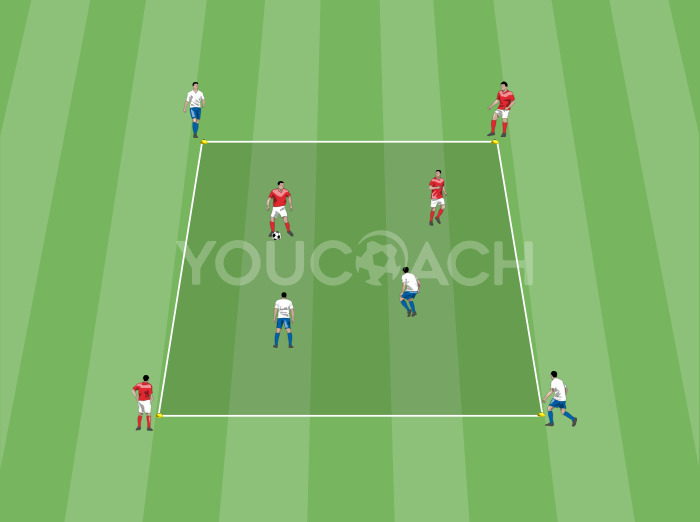
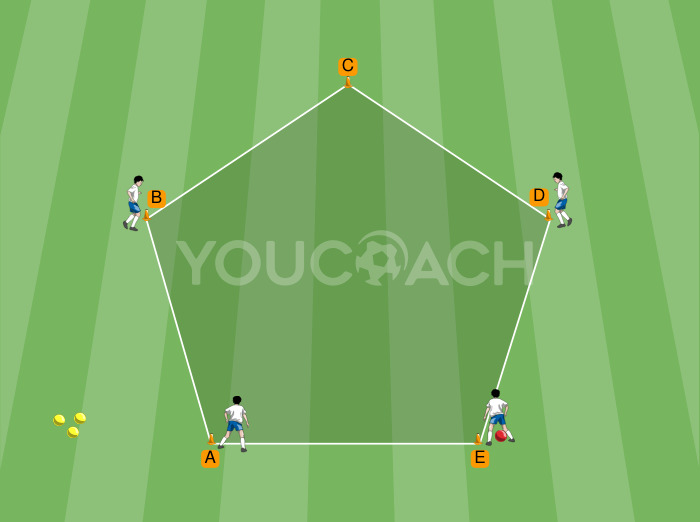
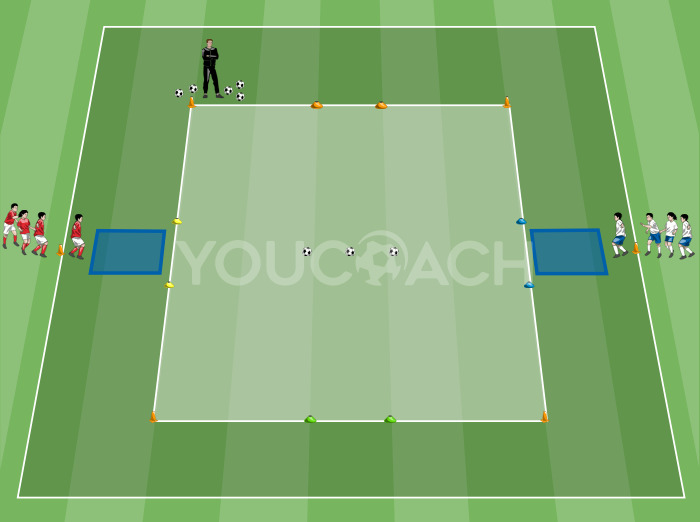
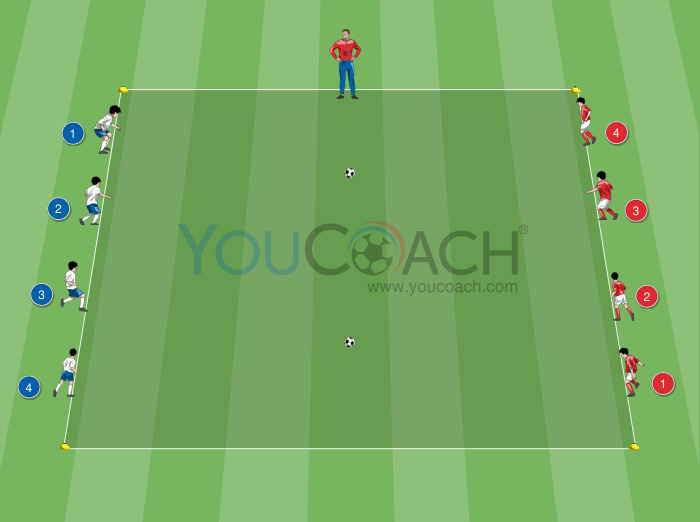
Combination Y-shaped with wall passing


Practice involving four players to improve the pass timing with rapid exchanges

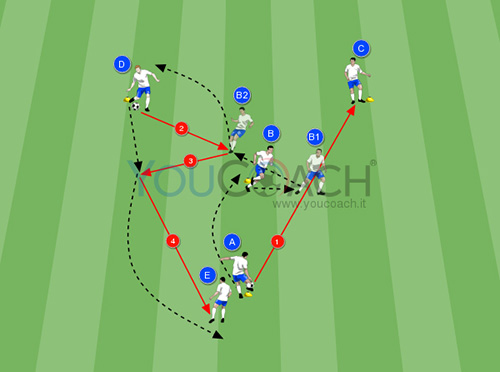
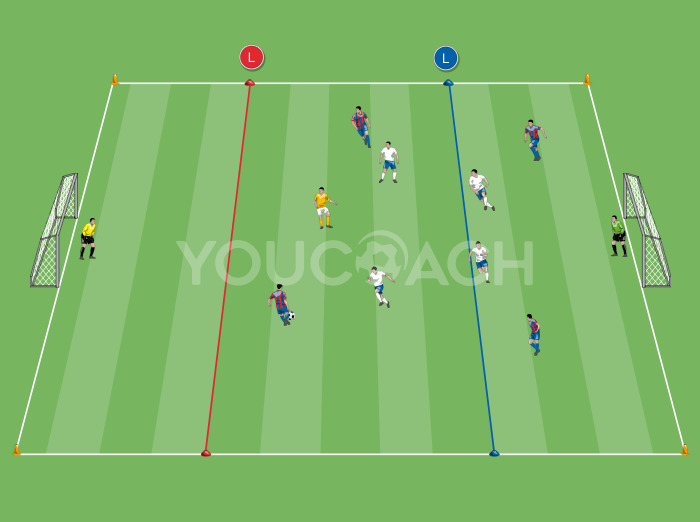
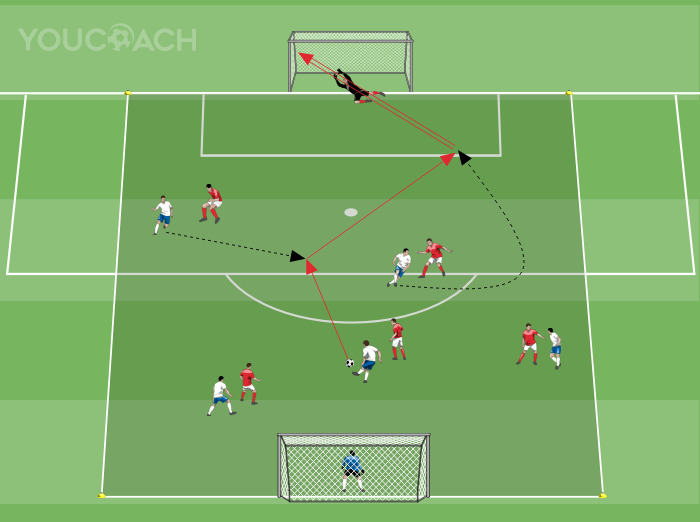
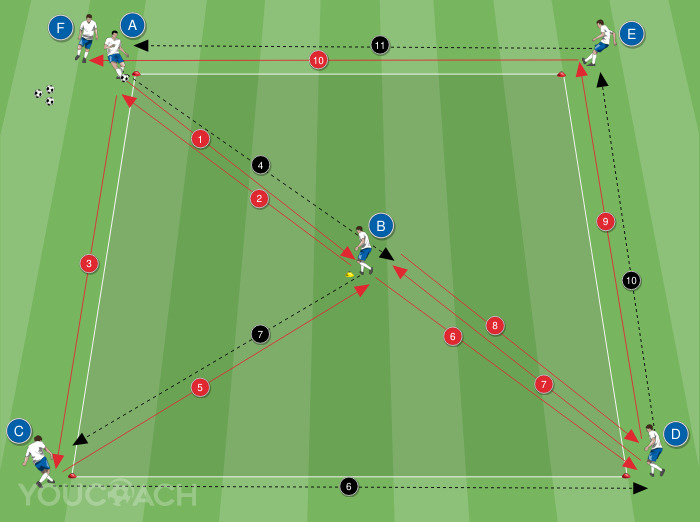
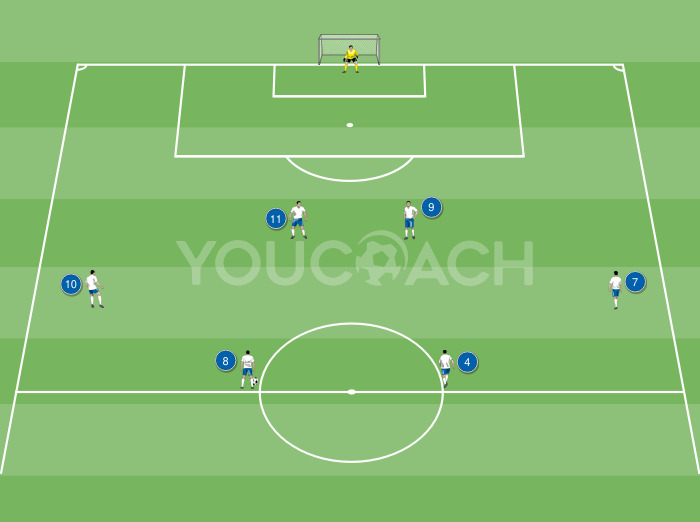
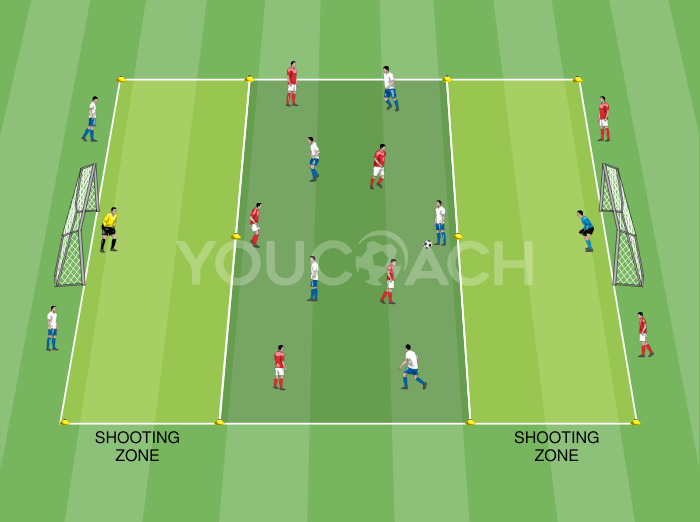
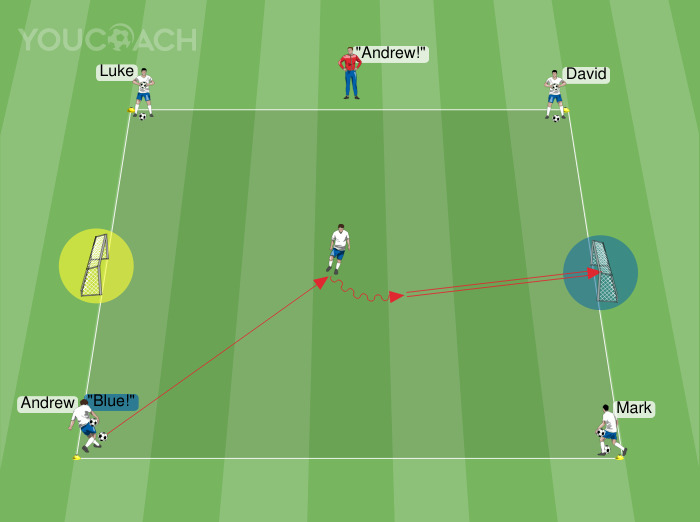
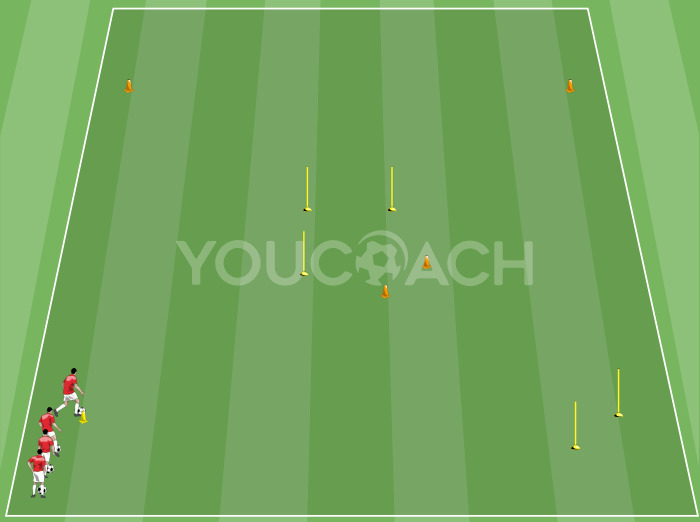
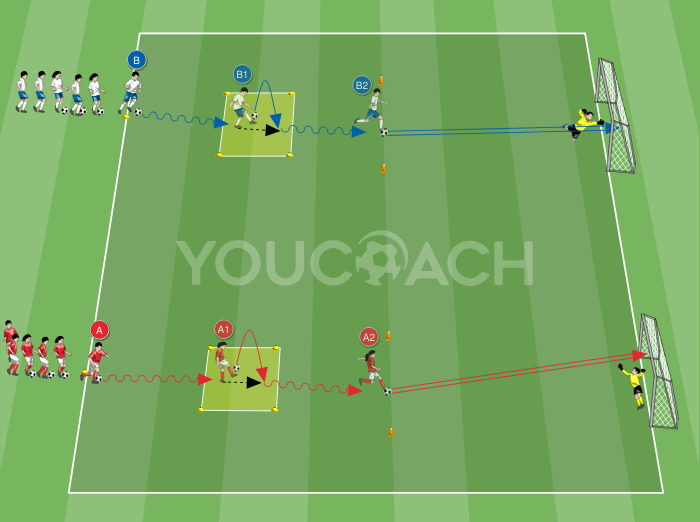
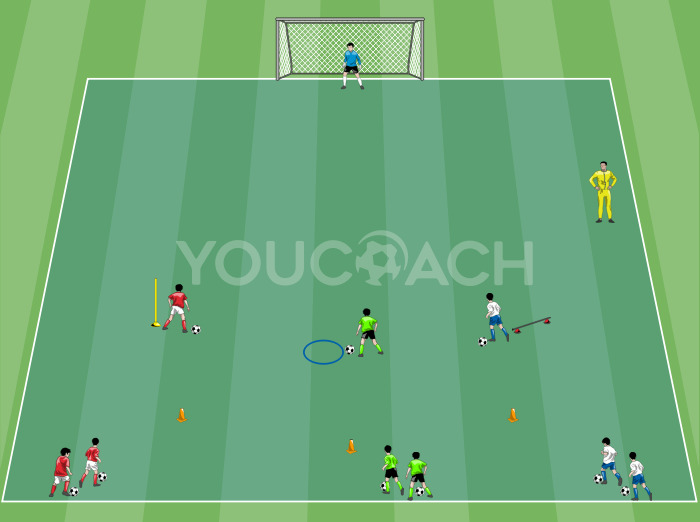
Combination Y-shaped with "bait movement"


Proposed exercise with combinations between 4 players to improve rapid interpassing with the use of a dummy

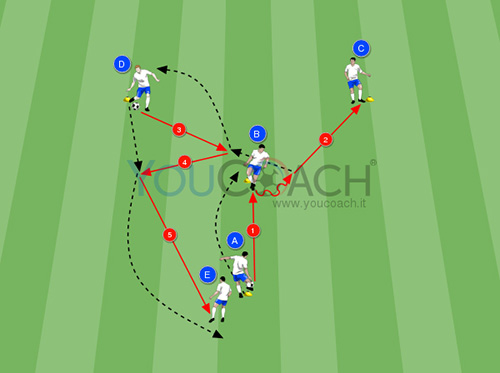
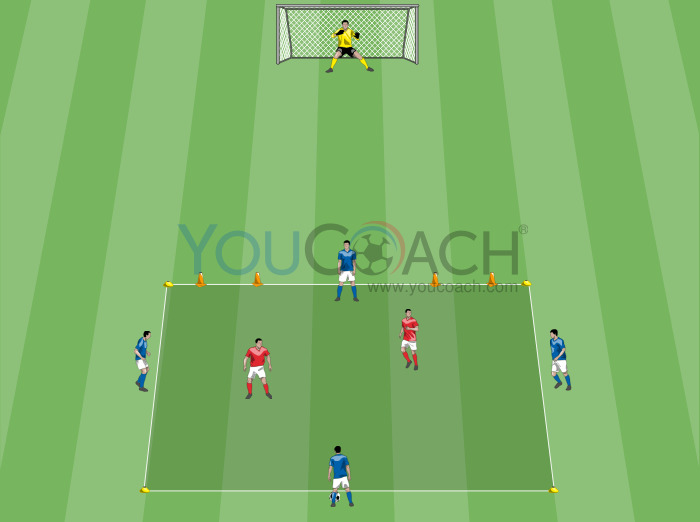
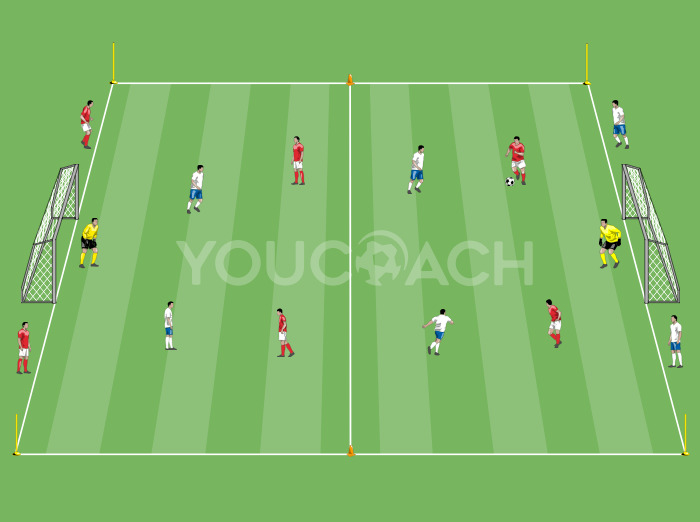
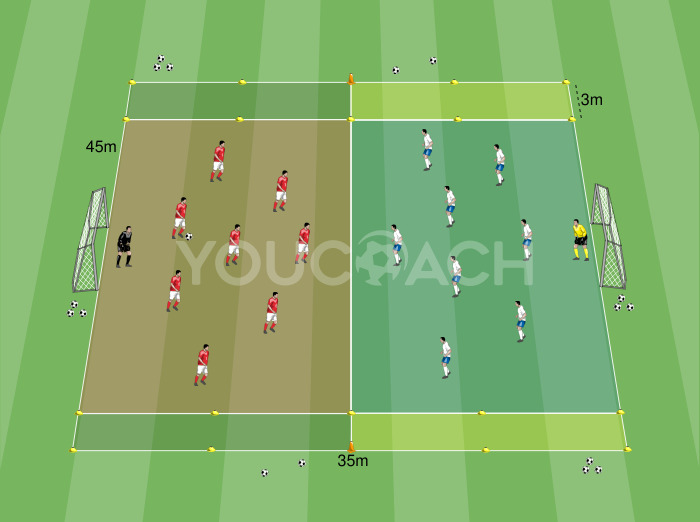
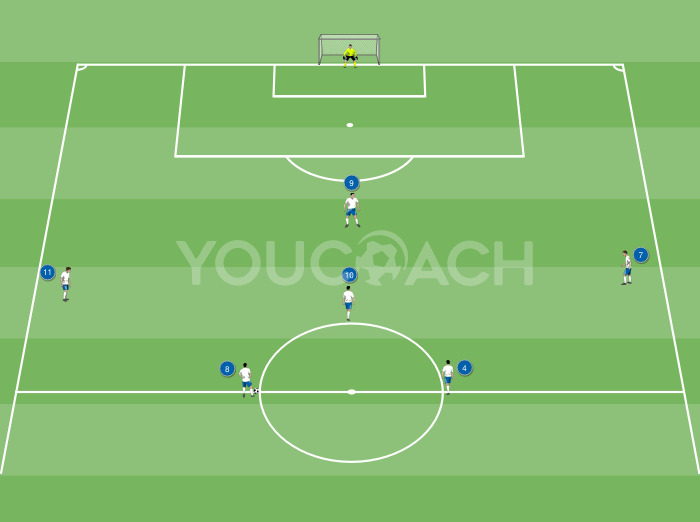
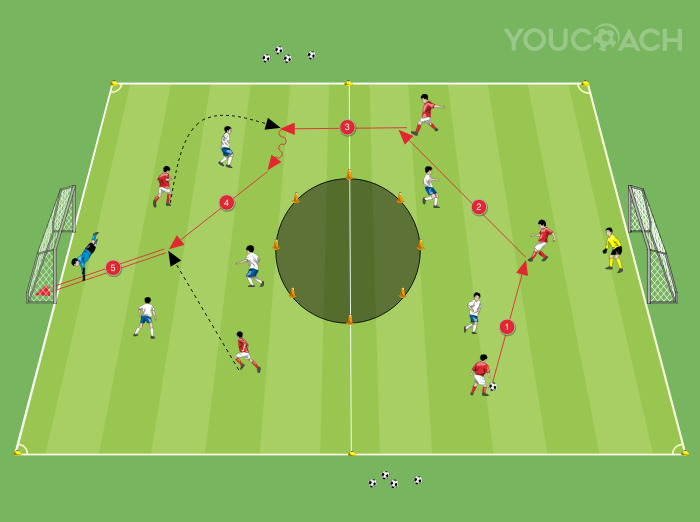
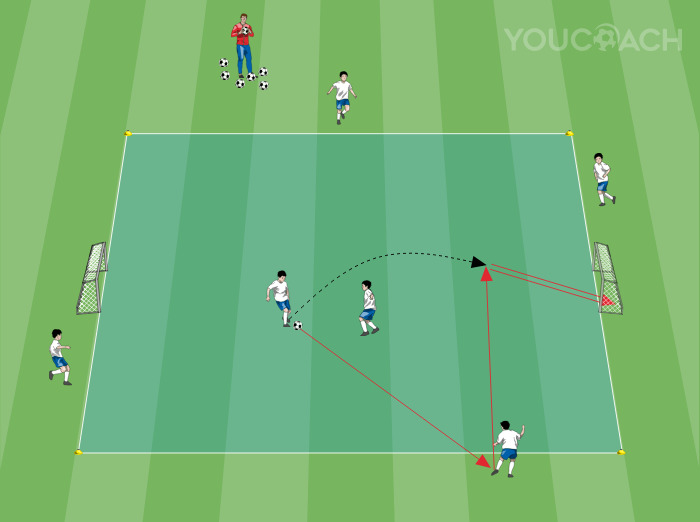
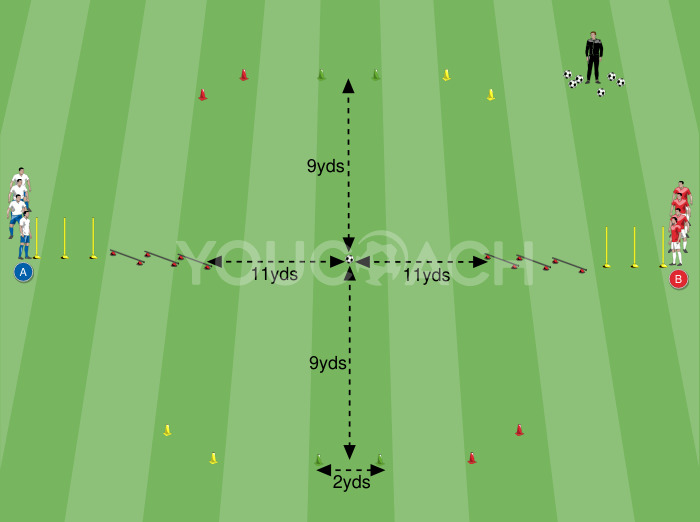
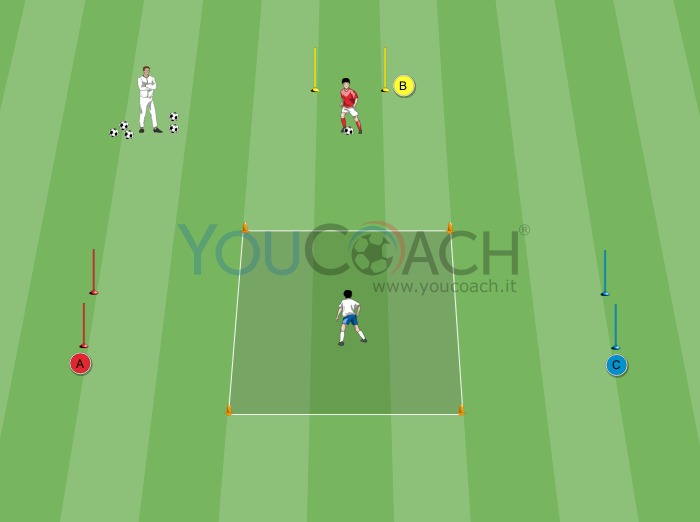
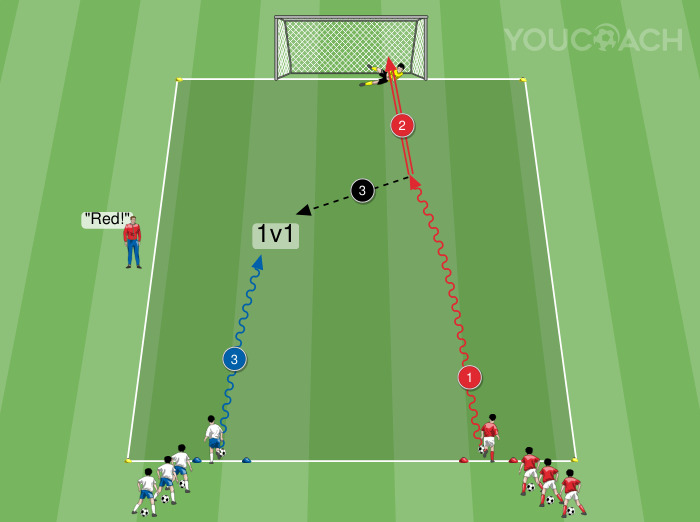
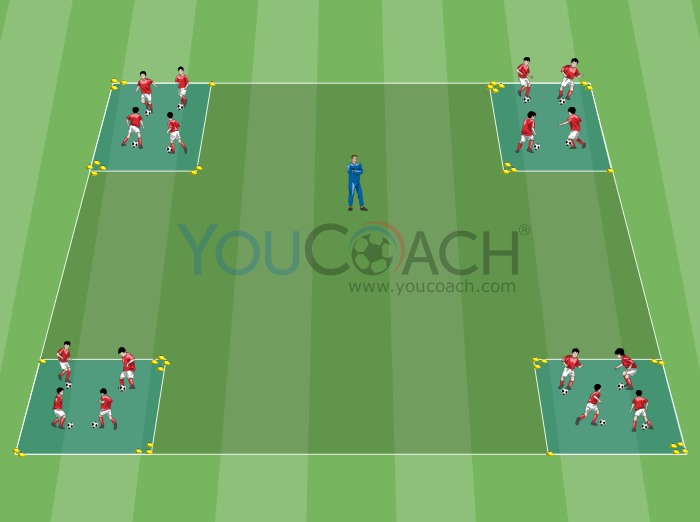
Combination Y-shaped with oriented control


Exercise proposal involving four players to improve the pass timing with rapid exchanges


Carolina Morace

Carolina Morace is an Italian ex soccer player, coach, lawyer, and commentator.
She debuted with the Italian National team in 1978 in the match against Yugoslavia; since then, she played 153 times and scored 105 goals, becoming the best goal-scorer in the Italian National team history, brushing with victory in European Championships in 1993 and 1997 (finalist both times).
As much as 19 years after her first match in the National team, she retired in 1997. During her career she won 12 championships, 2 Italian National Cups and 1 “Supercoppa”( ( winner Serie A vs winner Italian cup) in addition to being 12 times the best goal-scorer of Serie A. These great deals make her the best Italian soccer player of all times. In 1998, after she retired definitively from the playing field, she undertook the coaching career, training the Women’s Division of Lazio Sport Club. In July 1999 she was elected as Viterbese’s coach (Serie C1 at that time with Luciano Gaucci as President), becoming the first woman to train a professional men’s soccer team.
From 2000 to 2005 she has been coach of the Italian National Women’s team. After she had trained the Members of Parliament National team, in February 2009 she was elected as coach of Canada’s National Women’s team, with which she won the CONCACAF Women’s Gold Cup in 2010, achieving the qualification for 2011 World Championship. In two years, with her purely Italian staff, she increased the Canadian National team ranking, from the 11th to 6th position.
Since 1992, the year in which she hosted “Galagoal” show on Telemontecarlo channel, she has worked as commentator for several soccer broadcasts: besides Galagoal, she took part in “Campioni, il sogno” on Italia 1 channel in 2005 (commenting on Cervia’s matches), “il gol sopra Berlino” and “Le partite non finiscono mai” on La7 channel in 2006 and 2007, and Rai broadcasting during the European Championship in 2008.
In 2014 she was the first woman to get into the Italian soccer Hall of Fame.
She worked at the university in Roma conducting courses about soccer technique, she’s commentator for the National newspaper “La Gazzetta dello sport” and since 2012 she’s a member of the National sports observatory.
Since 2001 she’s FIFA ambassador for women’s soccer and FIFA instructor with the task of teaching soccer in developing countries such as  Jamaica; China; South Korea; South Africa, Mauritius, Iran

');

YouCoachApp Digital Assistant for Coaches
Get started today!
Flexible plans, designed to elevate every aspect of your training journey.